
Written by Kate, RN, Lead Practitioner at First Avenue Medical Spa
Last updated: November 2026 | Reading time: 5 minutes
The best time for BBL treatment in Vancouver is usually fall and winter. At our Kitsilano clinic, this is when patients start asking about the sun spots and redness that summer left behind.
This guide explains why timing matters, how to plan your sessions, and how to protect your results.
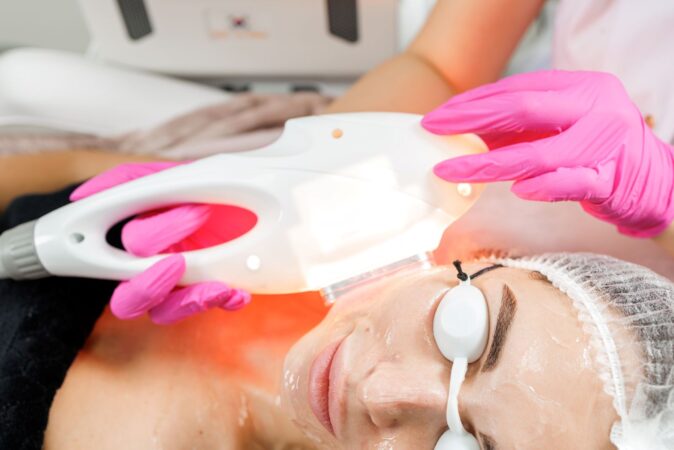
BBL, or broadband light, uses pulses of light to target pigment and redness in the skin. The light is drawn to colour, which is how it finds brown spots and small visible vessels.
That is also why a tan matters. Tanned skin holds more pigment, so it competes with the spots we want to treat.
Freshly treated skin is also more sensitive to the sun for a while. Treating when UV is lower gives your skin a calmer setting to heal in.
UV levels drop quickly after summer. Environment and Climate Change Canada notes that the UV Index can be high in early September. It then falls by October.
By November, most patients have lost their summer tan. Shorter days and more time indoors also make it easier to avoid strong sun between sessions.
Choosing the best time for BBL treatment also gives you the whole season to complete a series. By spring, your skin can look clearer and more even before the sunny months return.
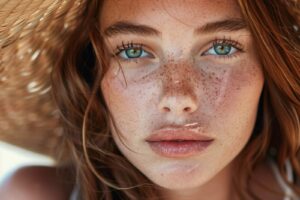
Summer sun often leaves marks that show up clearly in fall. The Canadian Dermatology Association links much of the ageing on sun exposed skin to the sun, including flat brown spots.
BBL Hero is often used for:
Our guide to BBL Hero for sun damage covers each concern in more detail. If redness or rosacea is your main concern, see our BBL Hero rosacea treatment page.
Most patients see the best results from a series of sessions spaced a few weeks apart. We set the number of sessions at your consultation, based on your skin and goals.
A simple plan looks like this:
If you also want to work on texture, BBL pairs well with other treatments. Our chemical peel for pigmentation guide explains another fall option for uneven tone.
Your first visit starts with a consultation. We check your skin and ask about recent sun exposure. We also review any medications that make skin more sensitive to light.
During treatment, you will feel a warm snapping sensation with each pulse. Mild redness for a few hours afterward is common.
Brown spots can look darker for a few days before they gradually fade or flake away. This is a normal part of the process.
Yes, with care. BBL can be done outside of fall and winter, but you need to avoid tanning and protect your skin closely.
Many patients come back for a maintenance session once or twice a year. Fall and winter remain the best time for BBL treatment and maintenance alike.
Sun protection keeps your results looking clear. Health Canada recommends a broad spectrum sunscreen with SPF 30 or higher.
Vancouver’s grey days are not a free pass. Health Canada reports that up to 80% of the sun’s rays can pass through light cloud, mist, and fog. The Canadian Dermatology Association also recommends sun protection every day.

Fall and winter are usually best. UV is lower, tans have faded, and you have time to finish a series before spring.
We usually wait until your tan has faded. Tanned skin raises the risk of side effects and makes treatment less effective.
It depends on your skin and goals. Most people need a short series, which we plan at your consultation.
There is very little. Mild redness usually settles within hours, and dark spots fade over the following days.
Ready to clear away summer’s sun spots? Book your consultation at First Avenue Medical Spa in Kitsilano.
Not sure which treatment is right for you? We can help. Learn more about BBL Hero at our Kitsilano clinic, or read our complete BBL Hero guide.