Written by Kate, RN, Lead Practitioner at First Avenue Medical Spa
Last updated: November 2026 | Reading time: 5 minutes
Red light therapy for winter skin is a gentle treatment with no downtime. It helps your complexion through Vancouver’s cold, damp months. By November, many patients at our Kitsilano clinic notice their skin looks duller, redder, or more sensitive.
This guide explains what winter does to skin, how red light therapy can help, and what a session looks like.
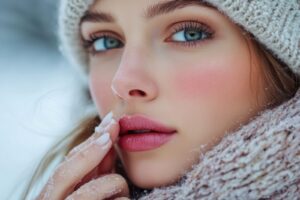
Winter in Vancouver brings cold air outside and dry heat inside. Moving between the two can leave skin tight, flaky, and easily irritated.
The Canadian Dermatology Association advises moisturising often, especially in colder weather. It also warns against too much heat and low humidity, which are common in heated homes.
For people with rosacea, winter can be harder still. The Canadian Dermatology Association lists cold temperatures, wind, and indoor heat among common rosacea triggers.
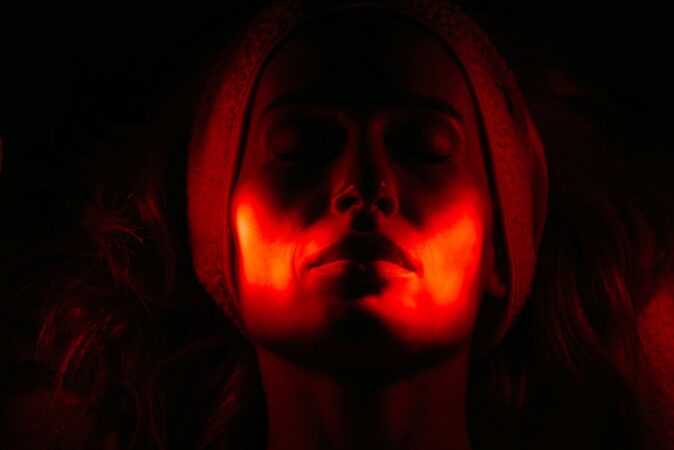
Red light therapy uses low levels of red light to support the skin’s natural processes. It does not use heat to injure the skin, so there is no peeling or recovery time.
Many patients use it in winter to help:
Results build gradually with regular sessions. Our guide to red light therapy benefits explains the treatment in more detail.
Many people hear “light therapy” and think of the bright light boxes some people use for low winter mood. These are different tools with different purposes.
Clinical red light therapy at First Avenue Medical Spa is a skin treatment. We do not use it to treat mood, and it is not a replacement for care from your doctor.

Your first visit starts with a skin assessment. We ask about your health history, any medications, and how your skin has been behaving this season.
A session takes about 10 to 20 minutes. You relax under the light panel with eye protection, and most people find it warm and calming.
There is no downtime. You can return to work or your day right afterward, and you can wear makeup the same day.
Red light therapy works best as a series rather than a single visit. Many patients book regular sessions through the winter months, then switch to maintenance in spring.
We plan your schedule at your consultation, based on your skin and goals. Red light also pairs well with our medical facials for a fuller winter routine.
Red light therapy is gentle, but it is not right for everyone. Please let us know before booking if you:
We will review your situation and suggest the safest plan.
Red light therapy for winter skin works best alongside a simple home routine. Use a gentle cleanser, moisturise often, and keep showers warm rather than hot. A humidifier at home can also help offset dry indoor heat.
Do not skip sunscreen just because it is winter. Environment and Climate Change Canada notes that fresh snow can reflect over 80% of the sun’s UV rays. That matters on weekend trips to the local mountains.
The Canadian Dermatology Association also recommends sun protection every day.
Health Canada recommends a broad spectrum sunscreen with SPF 30 or higher. Our winter skincare guide has more tips for dry, sensitive skin.
For most people, yes. It is gentle and does not heat or injure the skin. We assess your skin first to make sure it suits you.
No. Most patients describe it as warm and relaxing.
Often, yes. We review your skin and history first, and we may suggest it alongside other treatments.
Our red light therapy is a skin treatment, not a mood treatment. If you are struggling with low mood in winter, please speak with your doctor.
Ready to give your skin some winter support? Book your consultation at First Avenue Medical Spa in Kitsilano.
Not sure which treatment is right for you? We can help. Learn more about red light therapy at our Kitsilano clinic.